How Bottle Size Affects Branding: Matching Your Beverage Bottle to Your Target Market
Bottle size affects how customers view, use and recognise your beverage brand. A 250ml bottle suits single servings, while a 1.5L bottle suits families or sharing. Choosing the right beverage bottle size helps match customer needs, product positioning and packaging costs. PET bottles offer a lightweight, durable option in various shapes and capacities.
Relationship Between Beverage Bottles and Branding
Your bottle is one of the first things customers notice when they see a beverage on a shelf or online. Its size, shape, label area and overall appearance contribute to your brand identity. For example, a compact 250ml or 350ml bottle can position a drink as convenient and easy to carry. A larger 1L or 1.5L bottle may communicate better value and suitability for sharing.
Bottle size can also influence:
- Product positioning: Smaller bottles can suit premium, functional or on-the-go drinks.
- Customer experience: The bottle should be comfortable to hold, carry and consume.
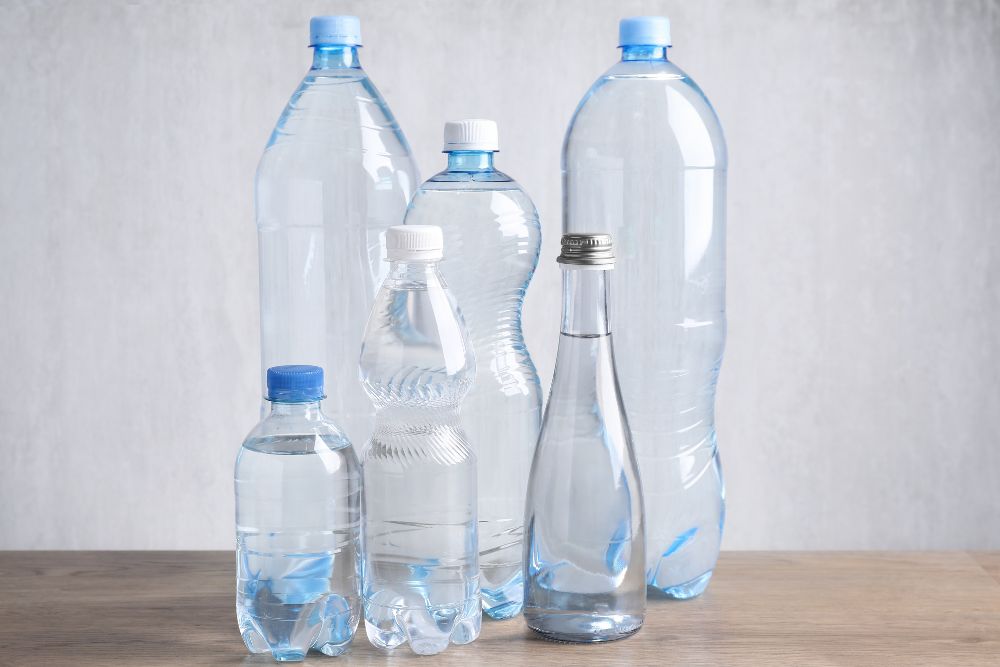
- Shelf presence: Different sizes create different visual impacts when displayed together.
- Brand recognition: A consistent bottle size and shape can make products easier to identify.
Common Beverage Bottle Sizes and Their Uses
No single bottle size works best for every beverage. The suitable capacity depends on the product, consumption occasion and target customer.
Common PET beverage bottle sizes include:
- 250ml: Suitable for children’s drinks, samples and small single servings.
- 300ml–350ml: Common for individual servings and convenient on-the-go beverages.
- 500ml–600ml: Suitable for water, sports drinks, juices and ready-to-drink beverages.
- 750ml–1L: Useful for larger individual servings or drinks intended for longer consumption.
- 1.5L: Suitable for family consumption and sharing.
How to Choose the Right Beverage Bottle Size for Your Target Market?
Choose your PET bottle size based on your customers, beverage type and selling channel. Consider:
- Consumption habits: Smaller bottles suit on-the-go customers, while larger sizes work for sharing.
- Product type: Match the capacity to how much customers typically consume.
- Price point: Smaller bottles offer a lower entry price, while larger bottles can provide better value.
- Distribution channel: Convenience stores may suit smaller sizes, while supermarkets often accommodate larger bottles.
Best Bottle Sizes for Different Target Markets
Different customer groups have different packaging expectations. Matching the bottle to their lifestyle can make the product more practical and appealing.
- Children: 200ml–350ml bottles are easier for small hands to carry and drink from.
- Students: 300ml–500ml bottles can suit school, campus and outdoor activities.
- Office workers: 500ml–600ml bottles are convenient for desks, meetings and commuting.
- Fitness customers: 500ml–750ml bottles can provide practical hydration during exercise.
- Families: 1L–1.5L bottles suit sharing at home or during meals.
- Premium beverage customers: Smaller 250ml–350ml formats can support controlled portions and premium positioning.
How Bottle Size Influences Beverage Branding?
Bottle size can shape how customers perceive your beverage and brand. It can communicate convenience, value or premium positioning.
- Small bottles: Suggest convenience, portability and portion control.
- Large bottles: Emphasise value and sharing.
- Label space: Smaller bottles have less space, so keep logos and key information clear.
- Brand consistency: Using consistent sizes and shapes can strengthen brand recognition.
How Does Bottle Size Affect Beverage Packaging Cost?
Bottle size affects more than the amount of beverage inside. It can influence packaging material requirements, production, transportation and storage. Larger bottles generally require more PET material and may take up more space during transportation and warehousing. However, they can also provide more product per package.
Packaging costs may be affected by:
- PET bottle weight and material usage
- Bottle design and mould requirements
- Cap and closure specifications
- Label size and material
- Packaging and carton requirements
- Storage and transportation space
- Order quantity and production volume
Frequently Asked Questions (FAQs)
Q: How do I choose the right bottle size?
A: Consider your beverage type, serving size, target customers and sales channel.
Q: Are PET bottles recyclable?
A: Yes. PET is widely recyclable and can be processed into new products.
Q: How should PET bottles be stored?
A: Keep them in a clean, dry area away from heat and direct sunlight.
Q: Are PET bottles suitable for all beverages?
A: PET bottles suit many beverages, but material compatibility depends on the product.
Q: Can I order custom PET bottles?
A: Yes. Manufacturers can offer different sizes, shapes and designs based on your requirements.
Why Choose Westone?
Westone provides reliable and customisable PET packaging solutions for beverage brands in Malaysia.
- Quality products: Consistent packaging quality.
- Industry expertise: Experienced in PET packaging solutions.
- Competitive pricing: Cost-effective options for different requirements.
- Excellent service: Reliable support throughout the process.
- Customised solutions: Packaging options tailored to your needs.
- Timely delivery: Packaging delivered on schedule.
The right beverage bottle size can affect branding, customer needs and packaging costs. Choose a PET bottle based on your beverage type, target market, sales channel and pricing strategy to achieve practical, brand-aligned packaging.
Looking for PET plastic bottles in Malaysia? Westone offers quality and customisable packaging solutions for different beverage applications. Contact Westone today to discuss your required bottle size, design and packaging requirements.