
PET vs LDPE
Choosing the right plastic packaging material is a critical decision for manufacturers. Two of the most common options in the market are PET (Polyethene Terephthalate) and LDPE (Low-Density Polyethene). Both materials are widely used across the food and beverage, personal care, and household chemical industries. This guide breaks down PET vs LDPE in a simple and practical way. We look at their properties, characteristics, common uses, advantages, and pricing to help businesses make informed packaging decisions.
Understanding Polyethene Terephthalate (PET)
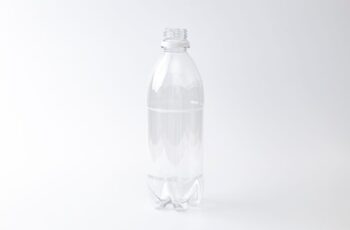
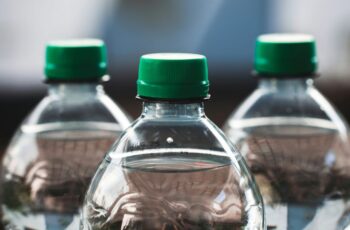
PET is a strong, lightweight, and transparent plastic commonly used in rigid packaging. It is best known for beverage bottles, food containers, and cosmetic packaging.
Key facts about PET:
- Recycling code: #1
- High clarity and gloss
- Strong barrier against moisture and gas
- Widely recycled worldwide
Understanding Low-Density Polyethene (LDPE)
LDPE is a soft, flexible plastic known for its toughness and chemical resistance. It is commonly used in squeezable bottles, plastic bags, and flexible packaging.
Key facts about LDPE:
- Recycling code: #4
- Flexible and lightweight
- Good resistance to chemicals
- Lower melting point than PET
PET vs LDPE: Material Properties
When comparing PET vs LDPE, understanding their material properties helps manufacturers choose the right packaging for their products.
- Transparency: PET is clear and glossy, making products easy to see on shelves. LDPE is usually semi-transparent or opaque, suitable when visibility is less important.
- Strength: PET is strong and rigid, able to retain its shape under pressure, including when holding carbonated drinks. LDPE is softer and less suitable for high-pressure packaging.
- Flexibility: PET is rigid and maintains its structure, while LDPE is highly flexible and ideal for squeeze bottles and soft packaging.
- Moisture and Gas Barrier: PET offers strong protection against moisture and gases, helping extend shelf life. LDPE provides moderate moisture protection with weaker gas resistance.
- Chemical Resistance: PET has moderate chemical resistance in food and cosmetics applications. LDPE has higher resistance, making it suitable for detergents and household chemicals.
PET vs LDPE: Key Characteristics
Both plastics perform differently under real-world conditions.
PET characteristics:
- Maintains shape under pressure
- Suitable for carbonated beverages
- Better shelf presentation
LDPE characteristics:
- Easy to squeeze
- Impact-resistant
- Performs well at low temperatures
- Heat resistance up to around 80–90°C
PET vs LDPE: Common Packaging Uses
Different industries rely on PET and LDPE for specific applications.
Common uses of PET:
- Mineral water bottles
- Soft drink bottles
- Food containers
- Cosmetic bottles
- Pharmaceutical packaging
Common uses of LDPE:
- Squeeze bottles
- Shampoo and detergent bottles
- Plastic bags
- Food pouches
- Household chemical containers
PET vs LDPE: Advantages Compared
Each material offers distinct advantages depending on usage.
Advantages of PET:
- High transparency improves product visibility
- Lightweight yet strong
- Excellent recyclability
- Cost-efficient for mass production
Advantages of LDPE:
- Flexible and easy to handle
- Strong chemical resistance
- Lower risk of cracking
- Suitable for complex bottle designs
PET and LDPE Price Comparison
Pricing is an important consideration in packaging decisions. In Malaysia, raw material prices fluctuate based on oil prices and supply conditions. On average:
- PET resin price: RM5.00 – RM6.50 per kg
- LDPE resin price: RM7.00 – RM8.50 per kg
Frequently Asked Questions (FAQs)
Q1. Is PET safer than LDPE for food packaging?
A: Both PET and LDPE are safe for food contact when manufactured in accordance with the relevant standards.
Q2. Which is more environmentally friendly, PET or LDPE?
A: PET is more widely recycled and has a stronger recycling infrastructure.
Q3. Can LDPE bottles replace PET bottles?
A: Only for products that do not require rigidity or gas barriers.
Q4. Is PET suitable for hot-fill products?
A: Standard PET is limited, but heat-resistant PET variants are available.
Q5. Which plastic lasts longer?
A: PET generally has a longer shelf life due to its strength and barrier properties.
Why Choose Westone as Your Plastic Packaging Partner?
Westone is a trusted PET plastic packaging manufacturer in Malaysia, serving multiple industries with reliable solutions.
Why businesses choose Westone:
- Quality products and services: Consistent production standards and strict quality control.
- Experience and expertise: Years of industry knowledge in PET packaging solutions.
- Competitive pricing: Cost-efficient manufacturing without compromising quality.
- Excellent customer service: Responsive support from consultation to delivery.
- Customised solutions: Tailored bottle designs, sizes, and specifications.
- On-time delivery: Reliable timelines to support your production schedule.
When comparing PET vs LDPE, the right choice depends on product requirements. PET offers strength, clarity, and recyclability, making it ideal for food and beverage packaging. LDPE offers flexibility and chemical resistance, making it suitable for household and personal care products. Understanding these differences helps businesses select packaging that protects products, controls costs, and meets market expectations.
Looking for a reliable PET plastic packaging manufacturer in Malaysia? Contact Westone today to discuss your packaging needs and discover customised PET solutions that support your brand’s growth.