
How PET Bottles Are Manufactured?
PET bottles are widely used across many industries, especially for beverages, personal care products, and household chemicals. Their popularity stems from their lightweight design, durability, and recyclability. In fact, global production of plastic bottles exceeds 500 billion per year, with PET among the most commonly used materials. However, many people may wonder how PET bottles are manufactured. The process involves advanced machinery, precise moulding technology, and strict quality control. This article explains the key stages of PET bottle manufacturing and what businesses should know before choosing a supplier.
Understanding PET Bottles
PET stands for Polyethene Terephthalate, a type of polyester plastic commonly used in packaging. PET bottles are commonly used due to several key benefits:
- Lightweight and durable
- Transparent and attractive
- Food-safe for beverages and liquids
- 100% recyclable
Raw Materials Used to Make PET Bottles
Manufacturers use PET resin, which comes in small plastic pellets, to produce PET bottles. They melt and mould these pellets to form bottle preforms. Some manufacturers also add materials such as:
- Colour masterbatch for coloured bottles
- UV stabilisers to protect products from sunlight
- Barrier additives to improve product protection
- Recycled PET (rPET) for sustainable packaging
How PET Bottles Are Manufactured?
Manufacturers generally carry out the process of producing PET bottles in two main stages:
- Injection moulding to create PET preforms
- Stretch blow moulding to form bottles
The basic production steps include:
- Drying PET resin
- Injection moulding preforms
- Cooling and storage
- Reheating preforms
- Stretch blow moulding into bottles
- Inspection and packaging
PET Preform Injection Moulding Explained
The first stage is PET preform injection moulding. During this process, PET pellets are heated to about 260°C–280°C until they melt. Next, the melted plastic is injected into a mould to form PET preforms. A preform looks like a small test tube with a threaded neck, which later becomes the bottle opening.
Key facts:
• Moulds can produce 24–144 preforms per cycle
• Each cycle takes 10–20 seconds
• Preforms are cooled quickly to maintain strength
Stretch Blow Moulding: Turning Preforms into Bottles
Next, manufacturers convert the preforms into bottles using stretch blow moulding. To begin with, they reheat the preforms to around 100°C–120°C. Subsequently, they place them in a mould, where a stretching rod and compressed air expand the plastic into the final bottle shape. As a result, this process creates bottles that are strong, lightweight, and evenly shaped. Furthermore, most bottles can be produced within seconds, making large-scale production highly efficient.
Quality Control in PET Bottle Manufacturing
Quality control is essential to ensure bottles are safe and durable. Manufacturers typically perform several checks, including:
- Weight consistency testing
- Leak testing using air pressure
- Visual inspection for defects
- Bottle neck and dimension checks
- Drop testing for durability
Common Types of PET Bottles Produced
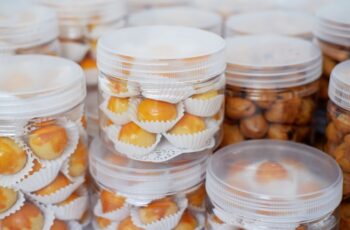
Moreover, PET bottles are produced in many designs depending on the industry. Specifically, common types include:
- Beverage bottles: water, soft drinks, juice
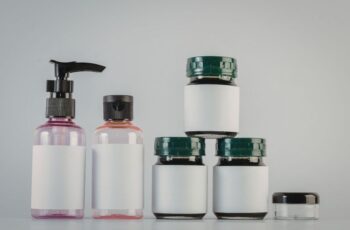
- Personal care bottles: shampoo, body wash, lotion
- Food packaging bottles: sauces and cooking oil
- Household chemical bottles: detergents and cleaners
PET Bottle Manufacturing Price Range
The price of PET bottles depends on factors such as size, weight, design, and order volume. Typical price ranges in Malaysia may include:
- RM0.10 – RM0.25: for small bottles (100ml–300ml)
- RM0.20 – RM0.45: for medium bottles (500ml–1L)
- RM0.50 – RM1.20: for large bottles (1.5L–5L)
How to Choose the Right PET Bottle Manufacturer?
Therefore, choosing the right manufacturer helps ensure consistent product quality. In particular, key factors to consider include:
- Modern manufacturing equipment
- Quality certifications and standards
- Custom bottle design support
- Reliable production capacity
- Industry experience
Frequently Asked Questions (FAQs)
1. What are PET bottles made from?
PET bottles are made from Polyethene Terephthalate (PET), a recyclable plastic used for packaging.
2. Are PET bottles recyclable?
Yes, PET bottles are fully recyclable and widely recycled worldwide.
3. How fast are PET bottles produced?
Modern production lines can produce thousands of bottles per hour.
4. Are PET bottles safe for food packaging?
Yes, PET is widely approved for food and beverage packaging.
5. Can PET bottles be customised?
Yes. Manufacturers can customise size, shape, colour, and neck design.
Why Choose Westone as Your PET Bottles Manufacturer?
Westone is a trusted PET bottle manufacturer in Malaysia, serving industries such as food and beverage, personal care, and household chemicals. We provide:
- Advanced PET manufacturing technology
- Custom bottle design and mould development
- Strict quality control processes
- Reliable large-scale production
Consequently, understanding how PET bottles are manufactured helps businesses choose the right packaging solutions. The process combines advanced moulding technology, precise production, and strict quality control to produce safe and reliable bottles. Because of their durability, lightweight design, and recyclability, PET bottles remain one of the most widely used packaging solutions today.
Looking for a trusted PET bottle manufacturer in Malaysia? Westone provides high-quality PET bottle manufacturing and customised packaging solutions for your business. Contact Westone today to discuss your PET bottle packaging needs.